
Best Time to Ski in Niseko: A Month-by-Month Guide
Updated·March 2026·7 min read
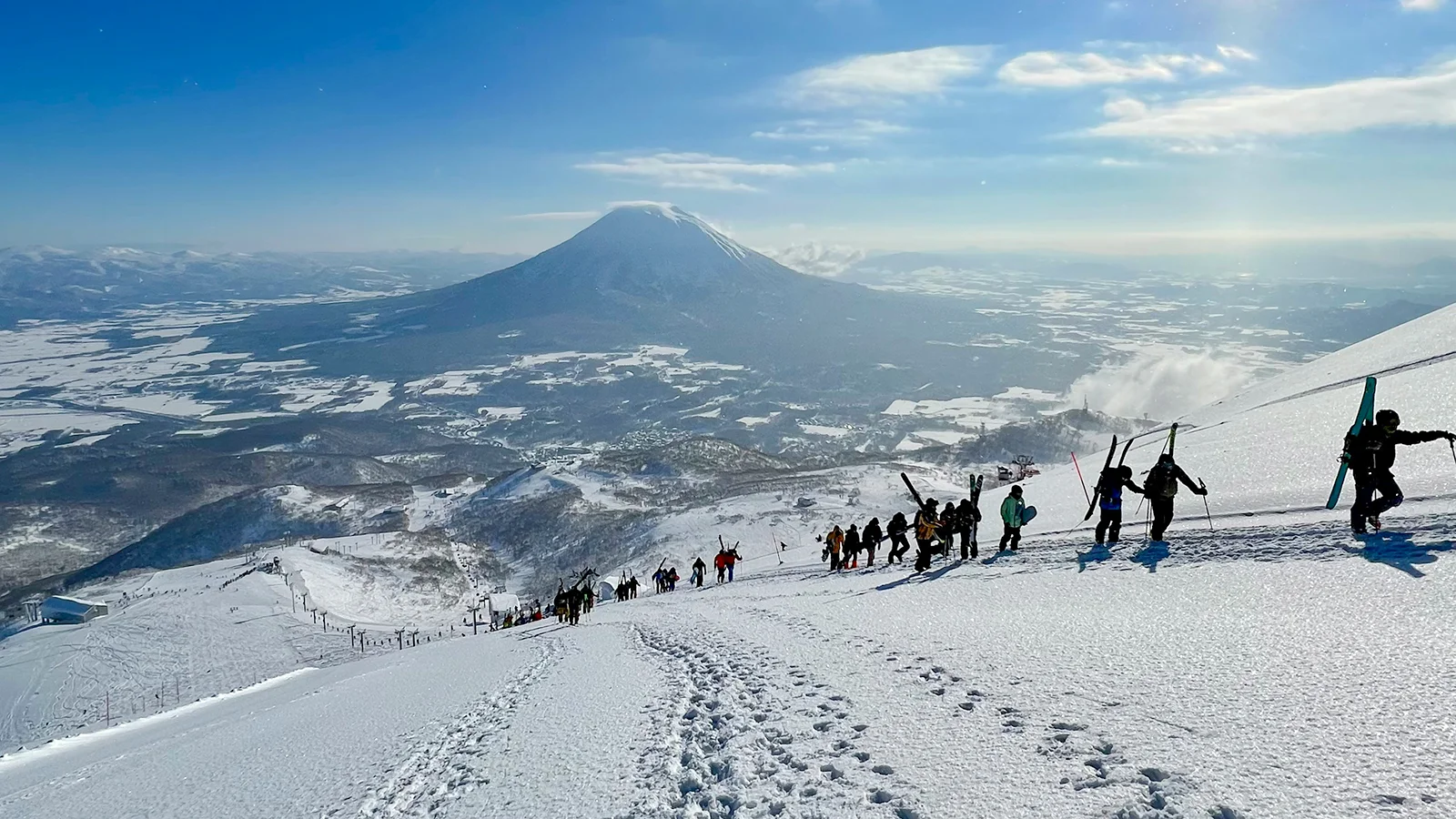
Whether you are chasing legendary Japow or planning a relaxed spring week with Mt. Yotei views, timing shapes everything about a Niseko trip. The season runs from early December through early April, but each month has a distinct character: different snow, different crowds, different prices.
When Is the Best Time to Ski in Niseko?
January delivers the heaviest snowfall and the lightest, driest powder of the season, making it the peak month for powder hunters. March offers excellent conditions with significantly fewer crowds and lower rates, making it the stronger choice for most travellers. December and April suit budget-conscious skiers and those who value a quieter mountain over peak snow volume.
How Do Niseko's Ski Seasons Compare?
Niseko receives 10 to 15 metres of snowfall per year, driven by cold Siberian air picking up moisture as it crosses the Sea of Japan. The result is light, dry powder with a moisture content significantly lower than most Alpine resorts, what skiers call Japow.
| Month | Snowfall | Crowd level | Best for |
|---|---|---|---|
| December | High — building base | Moderate–High | Festive atmosphere, early-season deals |
| January | Peak — heaviest snowfall | Very High | Powder hunters, expert skiers |
| February | High — deepest base | High | Powder and cultural day trips |
| March | Moderate — easing off | Moderate | Beginners, families, bluebird days |
| April | Low — spring conditions | Very Low | Budget travellers, spring corn skiing |
December
December: Is Early Season Niseko Worth It?
Avg snowfall
200–300cm
Temperature
−1°C to −9°C
Crowds
Quiet until Dec 20
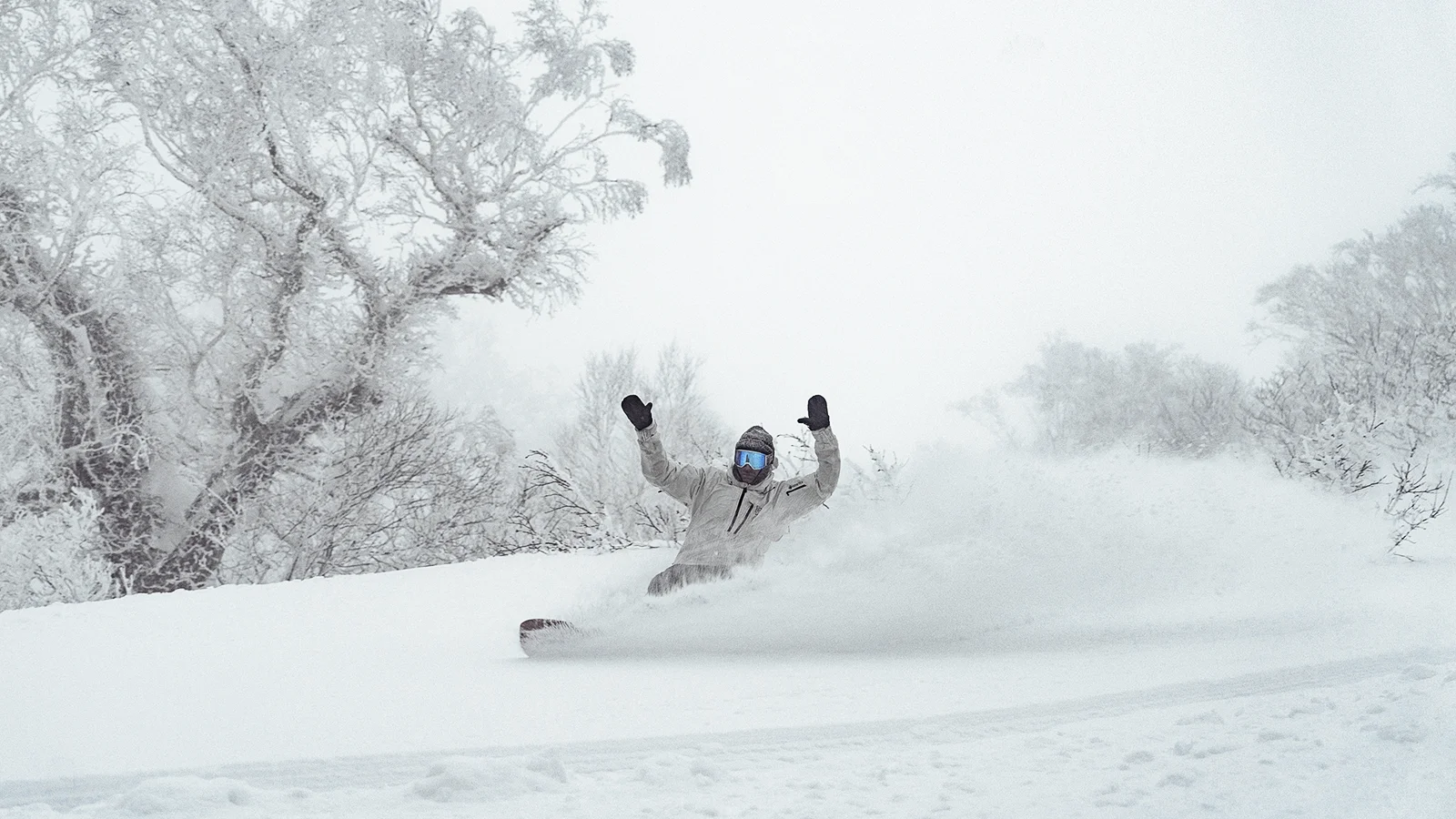
The quietest and most affordable window of the season opens in early December, with the snowpack building and the village yet to fill.
Early December is a sleeper month. The snowpack is building, the village is quiet, and lift pass deals are easier to find. By mid-December the night skiing comes online and the resort takes on a proper winter atmosphere. From Christmas Eve through New Year the energy shifts entirely: restaurants fill up, prices peak, and the mountain gets its first real crowds of the season. The snow in early December can be inconsistent on lower runs, but the upper mountain is usually in good shape by the second week.
Voyera Recommends
Early December offers some of the best value in the Niseko calendar. Luxury chalets that command ¥500,000+ per night in January are often available at significantly reduced rates before December 20. If your dates are flexible, the first two weeks of December are worth serious consideration.
January
January: The Best Powder Month in Niseko?
Avg snowfall
350cm
Temperature
−3°C to −12°C
Crowds
Busiest month
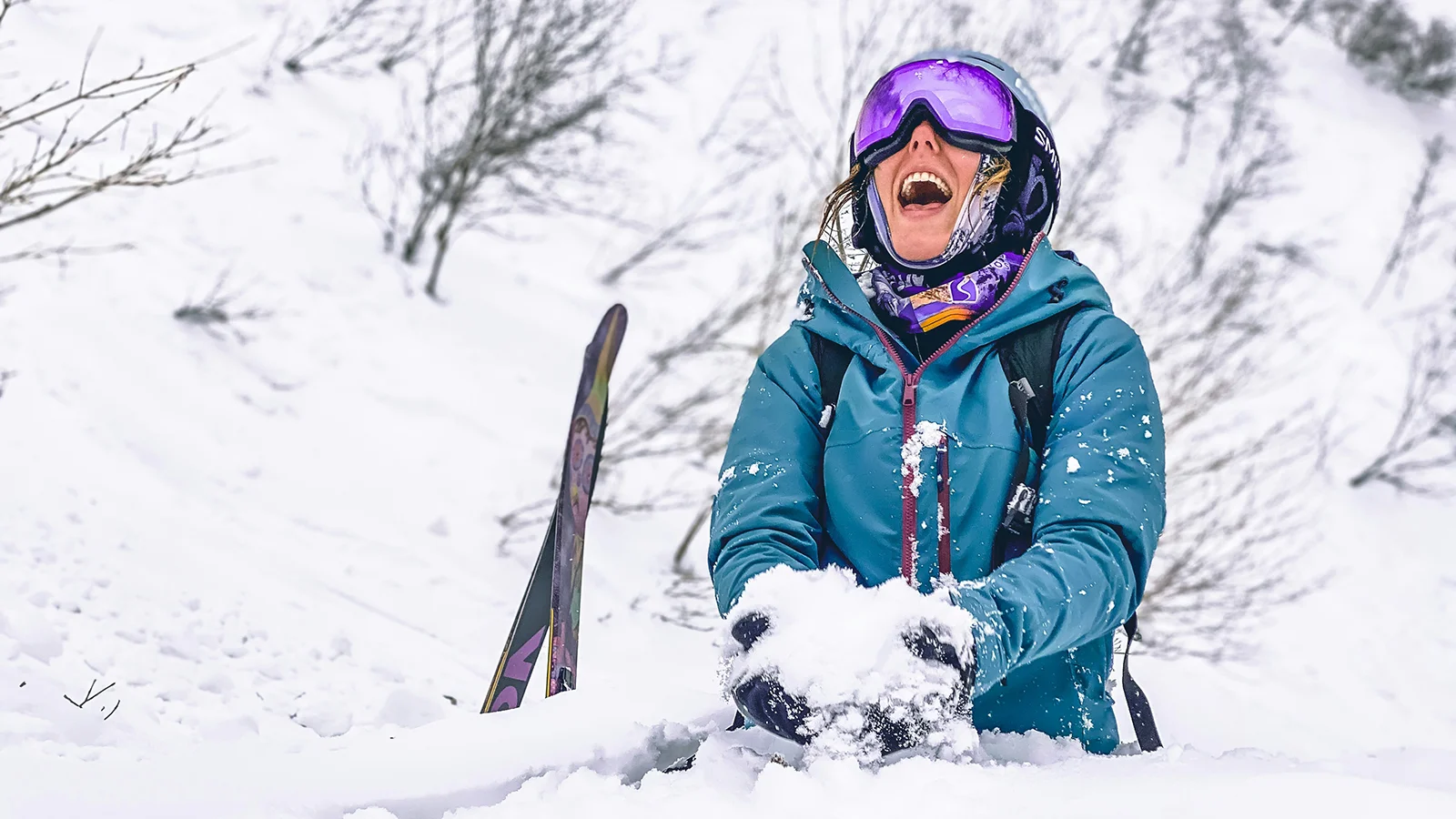
January is the peak powder month: the heaviest snowfall, the lightest snow, and the longest lift queues of the season.
January is what the reputation is built on. It snows almost every day, often heavily, and fresh tracks are available most mornings if you're prepared to move early. Average monthly snowfall frequently exceeds 350cm, and cold temperatures keep the powder light and dry well into the afternoon.
The trade-off is crowds. Australian school holidays, combined with the global profile of Japow, mean January has the longest lift lines of the season. Gondola queues at peak times can stretch to 30 minutes or more. Those who commit to early starts and know which area to base themselves in manage it well. Everyone else waits.
Voyera Recommends
Voyera Recommends
January is the hardest month to secure premium accommodation. Ski-in ski-out properties in particular book out 10 to 12 months in advance. If January is non-negotiable for your group, treat May of the prior year as your booking deadline, not your booking start.
February
February: Deep Base, Fewer Crowds Than January?
Base depth
300–400cm
Temperature
−2°C to −12°C
Crowds
High, esp. CNY
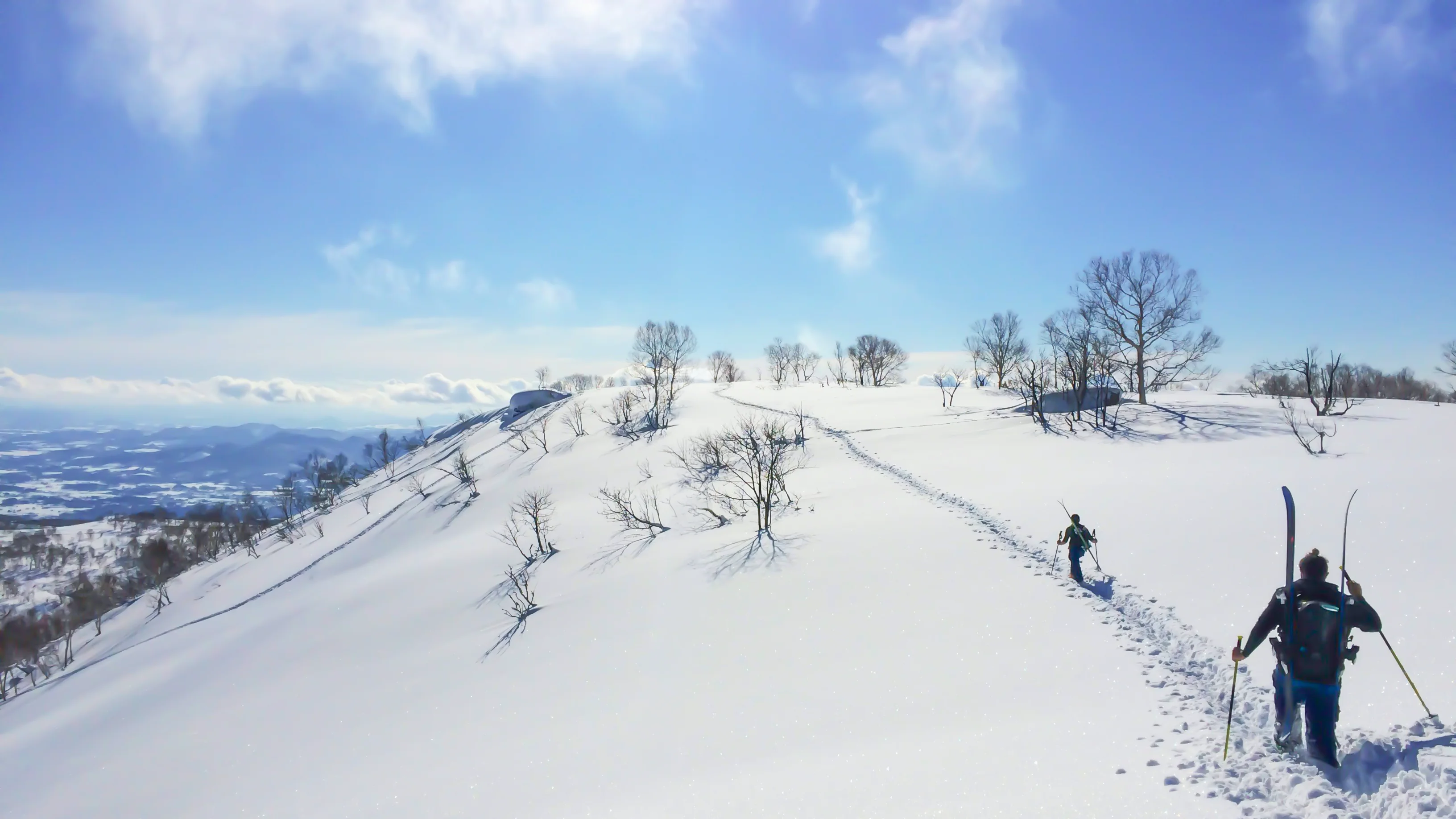
February matches January for snow quality but shifts in character, with the deepest base of the season and occasional bluebird days.
February delivers conditions almost identical to January but with a subtle shift in character. The snowpack is typically at its deepest, the mountain is fully open, and the occasional bluebird day starts appearing, which means you can finally see Mt. Yotei while you ski rather than skiing in a complete whiteout.
Chinese New Year brings a significant surge in visitors, particularly from mainland China, Hong Kong, and Singapore. If your dates overlap with that window, expect January-level crowds. Outside of Chinese New Year, February is marginally less pressured than January while offering comparable snow quality. A day trip to the Sapporo Snow Festival is a natural addition to any February itinerary.
Voyera Recommends
Voyera Recommends
The week immediately after Chinese New Year is one of the best-value windows in the powder season. Snow quality remains excellent, the mountain empties noticeably, and accommodation rates soften. Worth targeting if your schedule allows.
March
March: The Best Month to Ski Niseko for Most Travellers?
Avg snowfall
125–150cm
Temperature
−2°C to −7°C
Crowds
Significantly lower
March is the strongest overall month for most skiers: excellent conditions, reduced crowds, and rates significantly below January peaks.
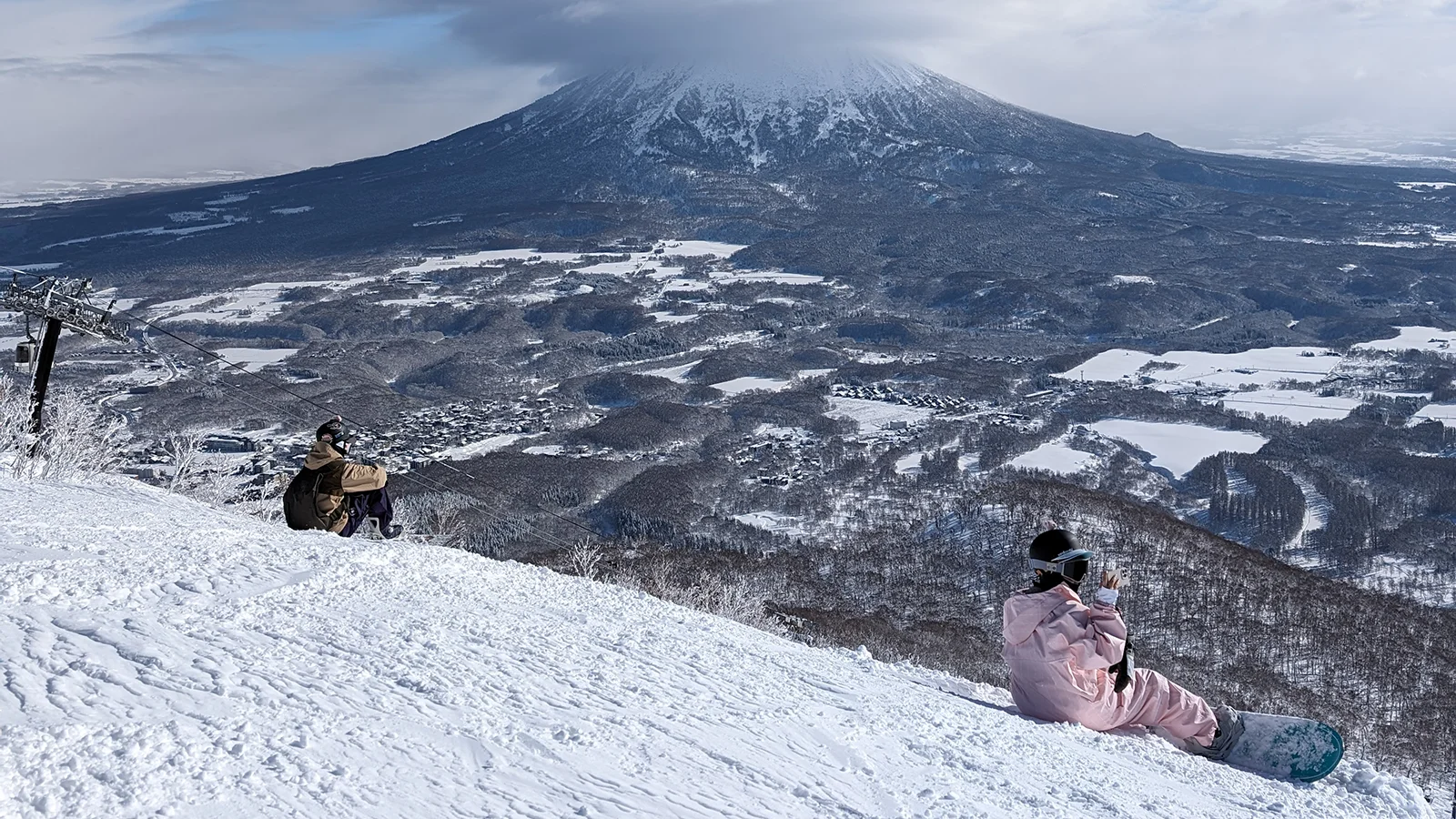
March is arguably the best-kept secret on the Niseko calendar. Heavy snowfall eases off, but the base built over January and February is so deep that the skiing remains excellent across the mountain. Temperatures lift enough to make full days on the hill comfortable rather than an endurance exercise. And the clouds part more often, revealing the Mt. Yotei views that define Niseko's visual identity.
Crowds thin considerably after the Australian school holiday period ends. Gondola queues that stretched 30 minutes in January drop to a few minutes or nothing. The groomed runs are at their best: firm in the morning, softening pleasantly by midday.
March is the recommended window for beginners and families. The softer snow is more forgiving, the warmer temperatures make long days manageable, and the reduced crowds mean more space on easier runs. See our area guide for the best bases for first-timers.
Voyera Recommends
Voyera Recommends
March is when experienced Niseko regulars quietly book their preferred properties. Rates are 20 to 40 percent lower than January peaks, the mountain is less crowded, and the conditions remain excellent. If powder volume isn't your sole metric, March delivers the strongest overall experience of the season.
April
April: Is Spring Skiing in Niseko Worth It?
Upper mountain
Variable, closed by week 2
Temperature
−1°C to +7°C
Savings
30–50% vs January
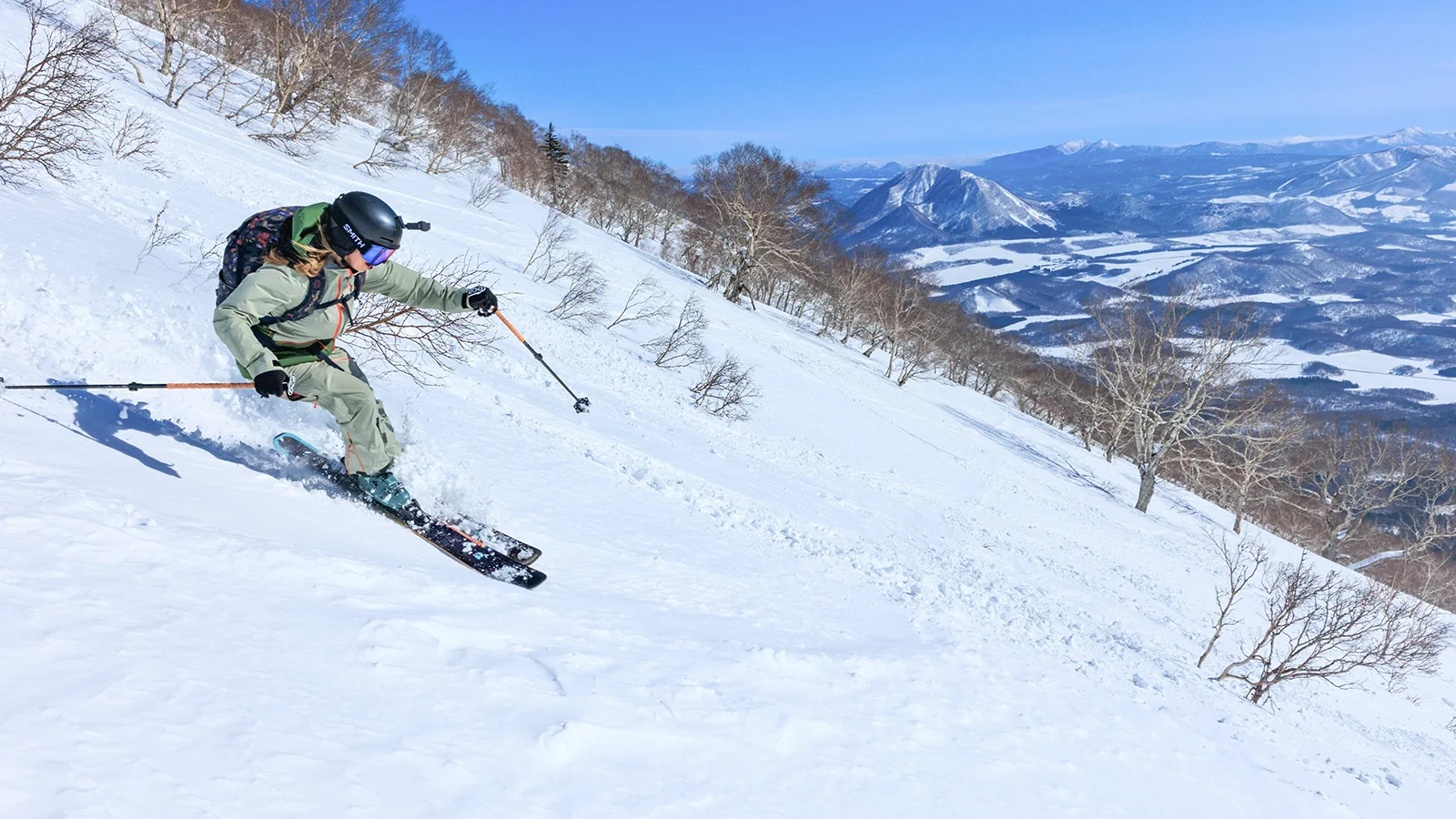
Spring arrives on the upper mountain in April, with T-shirt temperatures by midday and lift prices that bear no resemblance to January.
The powder chase is over by late March, but the upper mountain stays open into mid-April and spring corn skiing has its own loyal following. T-shirts by midday, and lift pass prices that bear no resemblance to January rates. Lower slopes can become slushy in the afternoon, but morning laps on the upper mountain are often worth it.
April suits skiers who prioritise the overall Japan experience over chasing powder. The village is quieter, restaurants are easier to book but some are closed, and the surrounding Hokkaido landscape starts its spring transformation. Pair it with a Tokyo or Kyoto sakura holiday for the perfect Japan itinerary.
Voyera Recommends
April is the one month where even premium properties become accessible on shorter notice. Luxury chalets that are untouchable in peak season often have April availability well into March. A strong option for groups who missed the peak-season booking window.
Which month is right for you?
January
The powder hunter
Pack your fattest skis. Expect cold, crowds, and the best snow on the planet. Book a year ahead.
February
The powder hunter with culture
Deep base, occasional sunshine, and a Sapporo Snow Festival day trip. Watch the Chinese New Year window.
March
The smart planner
Excellent conditions, fewer crowds, better rates. The insider choice for families and experienced travellers alike.
Early December or April
The value seeker
The Niseko experience at a fraction of the peak cost. Ideal for flexible travellers and spring skiing fans.
Voyera Tip
On accommodation and timing
Whatever month you choose, where you stay shapes the experience as much as when you go. The Niseko area guide covers the four base areas in detail, and the ski-in ski-out guide covers properties with direct lift access across all four resorts.
Frequently Asked Questions
Ready to plan your Niseko season?
Every property on Voyera is carefully reviewed before listing. Browse accommodation across Niseko's four base areas for your preferred dates.
Browse Niseko accommodation