
The Science Behind Niseko Powder Snow
Updated·March 2026·6 min read
What Is Japow?
If you are a skier or snowboarder, you have surely heard the term "Japow" spoken of in reverent tones. It is not the only place in Japan with great snow but famously at the epicentre of this is Niseko, a resort that does not just receive good snow. It functions as a near-continuous snow machine, resetting night after night across a good portion of the winter season.
But what makes Niseko powder snow so different from the heavy "Sierra Cement" of California or the variable crust of the Alps? The answer is a near-perfect convergence of geography, physics, and Siberian air.
The Siberian Express: Why Niseko's Snow Starts in Russia
Niseko's powder originates in the Siberian High, the vast winter pressure system over the Russian tundra that drives some of the coldest, driest air on earth toward Japan. During winter, a massive high-pressure system forms over the frozen tundra of Russia, creating a reservoir of some of the coldest, driest air on the planet.
Driven by prevailing northwesterly winds, this frigid air mass moves across the Asian continent toward Japan. By the time it reaches the coast, it is bone-dry and well below freezing, setting the stage for everything that follows.
The Sea of Japan: How Cold Air Becomes Niseko Powder
The Sea of Japan is what converts cold, dry Siberian air into the moisture that becomes Niseko powder. Unlike the air above it, the water is relatively warm, fed by the Tsushima Current moving north from the south. As the freezing air passes over the warmer surface, a massive evaporation process begins, a phenomenon known as the Ocean Effect, similar in principle to the Lake Effect snow familiar to residents of the US Great Lakes region.
The air absorbs enormous quantities of moisture, forming dense clouds that appear as long snow streaks on satellite imagery, sweeping directly toward the Japanese coastline.
Orographic Lift: Why the Niseko Range Gets More Snow Than Anywhere Nearby
Orographic lift (air forced upward by the Niseko Range) is why snowfall here is so concentrated and heavy compared to anywhere in the surrounding area. When those moisture-laden clouds reach the Niseko Range and the volcanic mass of Mount Yotei, they are forced upward in a process called orographic lift.
As the air rises, it cools rapidly. The moisture condenses and falls as snow. Because the air temperature is so low at this point, the snow forms into stellar dendrites: the classic six-pointed crystal structure with a branching form that traps air between its arms.
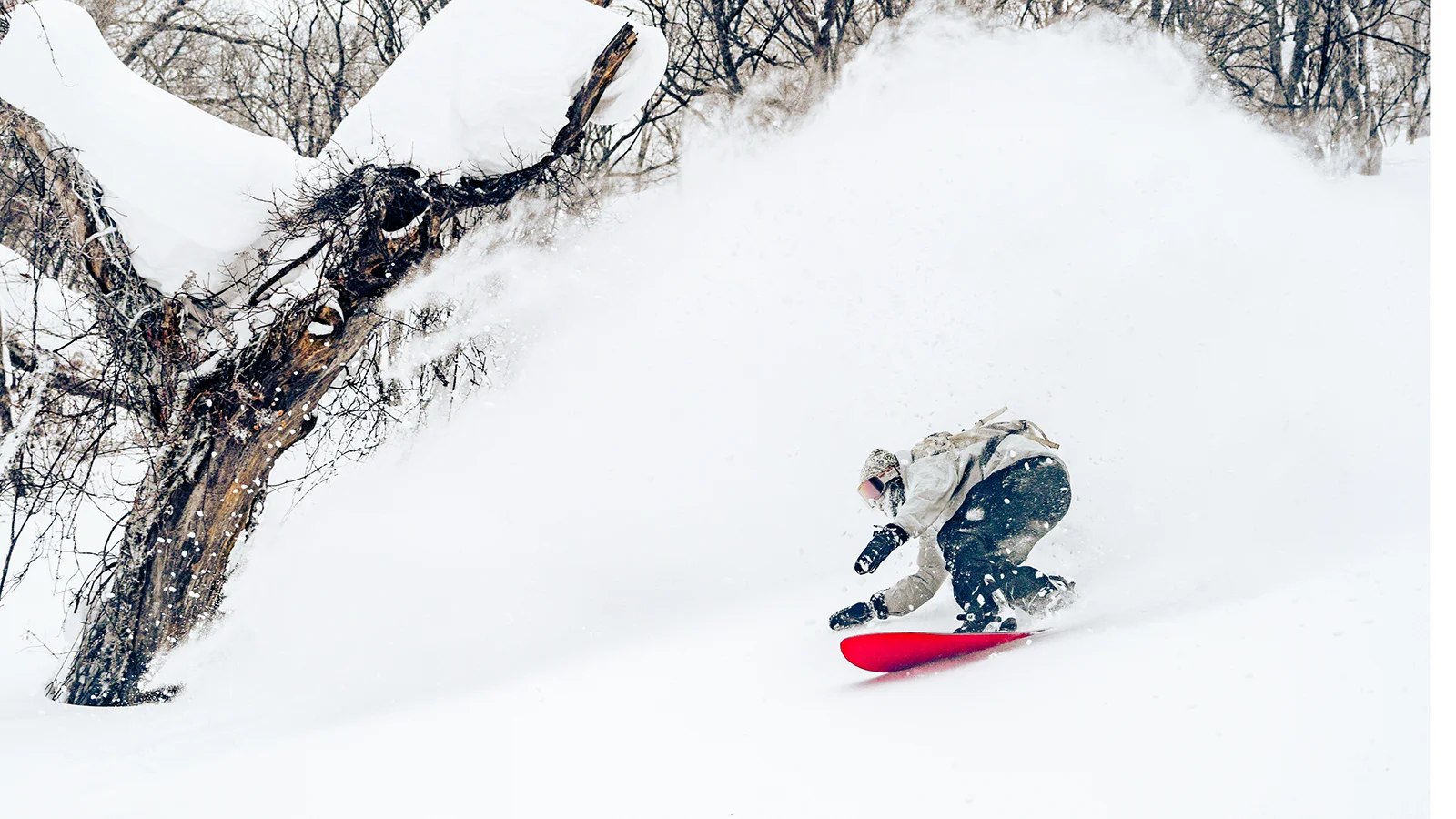
The result is powder that is typically 92 to 96 percent air by volume. It is not hyperbole to say you are floating. Physically, you almost are.
At a Glance
Why the Crystal Structure Matters
Stellar dendrite crystals form only at very low temperatures. Their branching arms trap air, producing ultralight dry powder with almost no water content. This is what separates Niseko snow from the wetter, heavier snow of warmer resorts. The crystals collapse under pressure, which is why fresh Japow feels like skiing through smoke.
Niseko by the Numbers
| Stat | Average |
|---|---|
| Annual Snowfall | 12 metres plus (470 inches) |
| Peak Months | January and February |
| Snow Consistency | Ultralight dry powder |
| Typical Temperature | minus 5 to minus 12 degrees Celsius |
The numbers explain the snow, but they do not tell you when to book. For a month-by-month breakdown of when to go and what it costs, see our seasonal planning guide, which maps this snowfall pattern against accommodation rates and crowd density to find the right week for your trip type.
Why Do Skiers Set Alarms for 5am in Niseko?
Most ski resorts depend on storm cycles: a front moves through, drops snow, clears, and then the mountain spends the next several days being skied out. Niseko does not work like that. The Siberian Express can run continuously for weeks. The mountain does not wait for the next storm. It resets every night.
This nightly refresh is what drives the powder alarm culture that defines a Niseko winter. Skiers and snowboarders, whether sponsored pros or weekend warriors or skiing five days a year on holiday, set alarms for 5am, check the overnight totals, and are at the lift before it opens. The objective is the same for everyone: first tracks.
That levelling effect is one of the things that makes Niseko unlike anywhere else on earth. A professional freeskier with fifteen years of powder experience and a beginner on their second ski trip are chasing exactly the same thing at the same hour on the same morning. Japow does not discriminate. It simply rewards those who show up early.
The tree skiing culture amplifies this further. Niseko's birch forests hold untracked powder long after the groomed runs have been skied out, and local knowledge of where to find fresh lines deep into the afternoon is currency. Regulars guard their spots quietly. First timers discover them by accident and come back the following year with their own alarms set.
For professionals, a powder day at a home resort is a good day. A powder day in Niseko is something else entirely. It sits on bucket lists not because the terrain is the most technical in the world, but because nowhere else combines this volume, this consistency, and this quality of snow in a single place. Even people who ski for a living want to know what 12 metres of ultralight dry powder feels like from the inside.
The answer, if you have not yet found it, is worth the flight.
Frequently Asked Questions
Ready to Experience It?
Informed on what makes Niseko powder the most sought-after snow on earth, the next step is putting yourself in it. Browse our Niseko properties and secure your base for next winter, or explore more guides to plan every part of your trip.